Guide to Bulk Bag Capacity
Bulk bags come in all shapes and sizes, but working out the right capacity for your material is really important. A bag that’s ideal for sand could be completely wrong if you’re working with grains or plastics.
Once you know more about capacity and how to judge it, choosing the right bag becomes pretty straightforward.
What Capacity Really Means
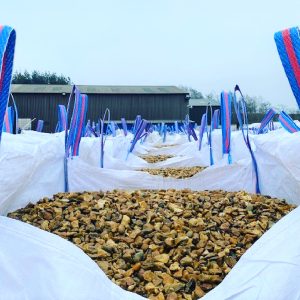
Every bulk bag has two limits: how much space it’ll give you and how much weight it can safely hold. Builders’ materials like sand and gravel are dense, so they’ll reach your safe working load quickly. Lighter contents like logs, woodchips or agricultural waste might completely fill your bag without coming close to its weight rating.
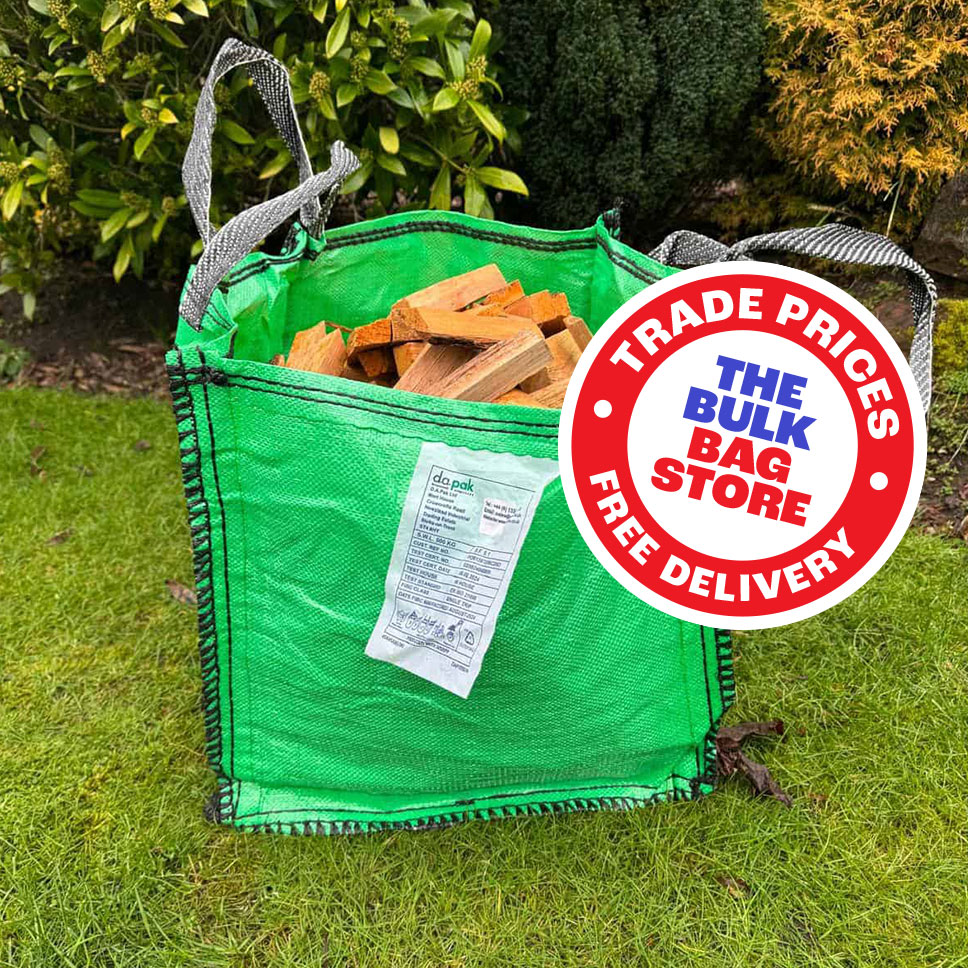
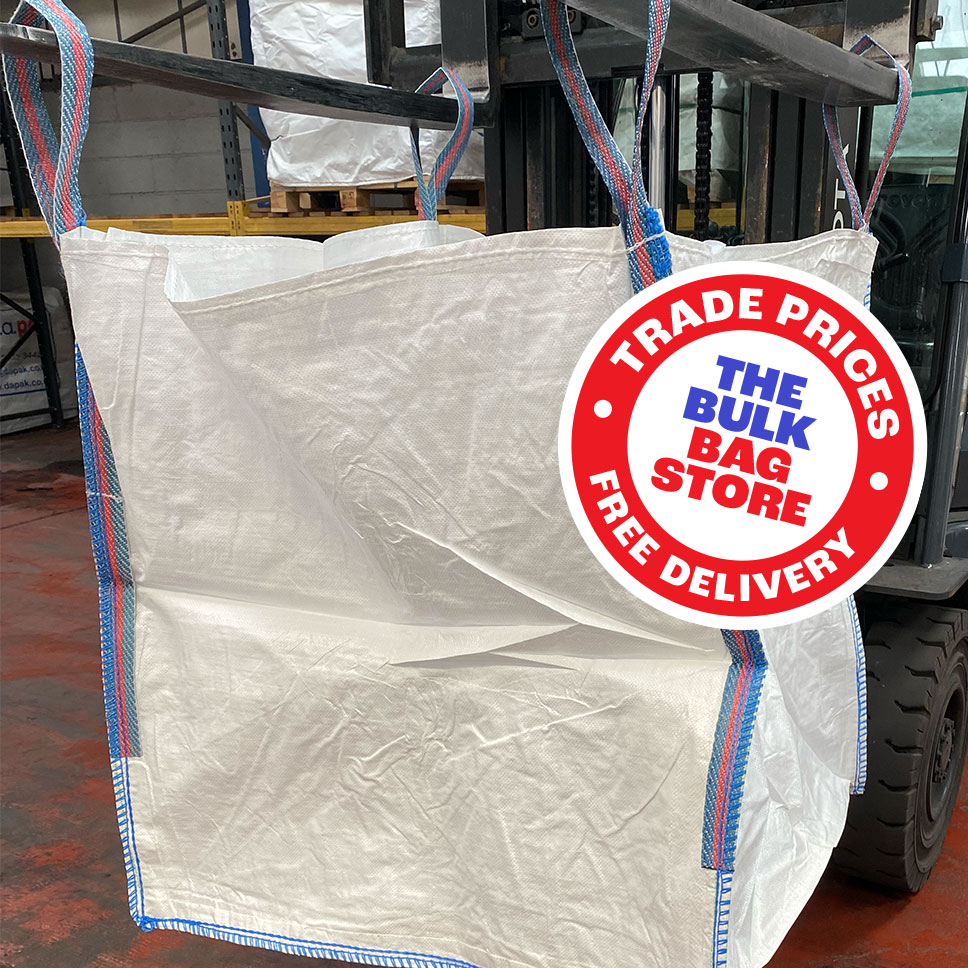
If you work with dense materials, you’ll probably want to go with heavy duty options like 1 Tonne Bulk Bags. But if you store something lighter or breathable, like timber or firewood, you’d be better off with a ventilated design like Vented Bulk Bags or Mono Log Nets.
How Capacity Is Estimated
A simple rule-of-thumb formula can give you a rough idea of what your bag might hold:
Capacity = (L ÷ 12) × (W ÷ 12) × (H ÷ 12) × 7
This basically converts your bag’s dimensions into cubic feet and estimates its weight based on usual material density. It’s not exact, but it’s definitely useful for showing you how quickly heavy materials will exceed your bag’s limit. It’s really important to check the actual density if you’re not sure – especially if you’re working with aggregates or products that absorb moisture.
Matching Bag Size to Your Material
The most reliable way to size a bag is to start with your material, not its dimensions. Does your product flow freely? Compact under weight? Become heavier when damp? These’ll all affect how full your bag will get before reaching its safe working load.
- If you need a bag that stays upright and stable for loading, a structured option like Tunnel Lift Bags can make life easier
- If your material needs ventilation, something like Bulk Bags for Firewood and Timber is the better option.
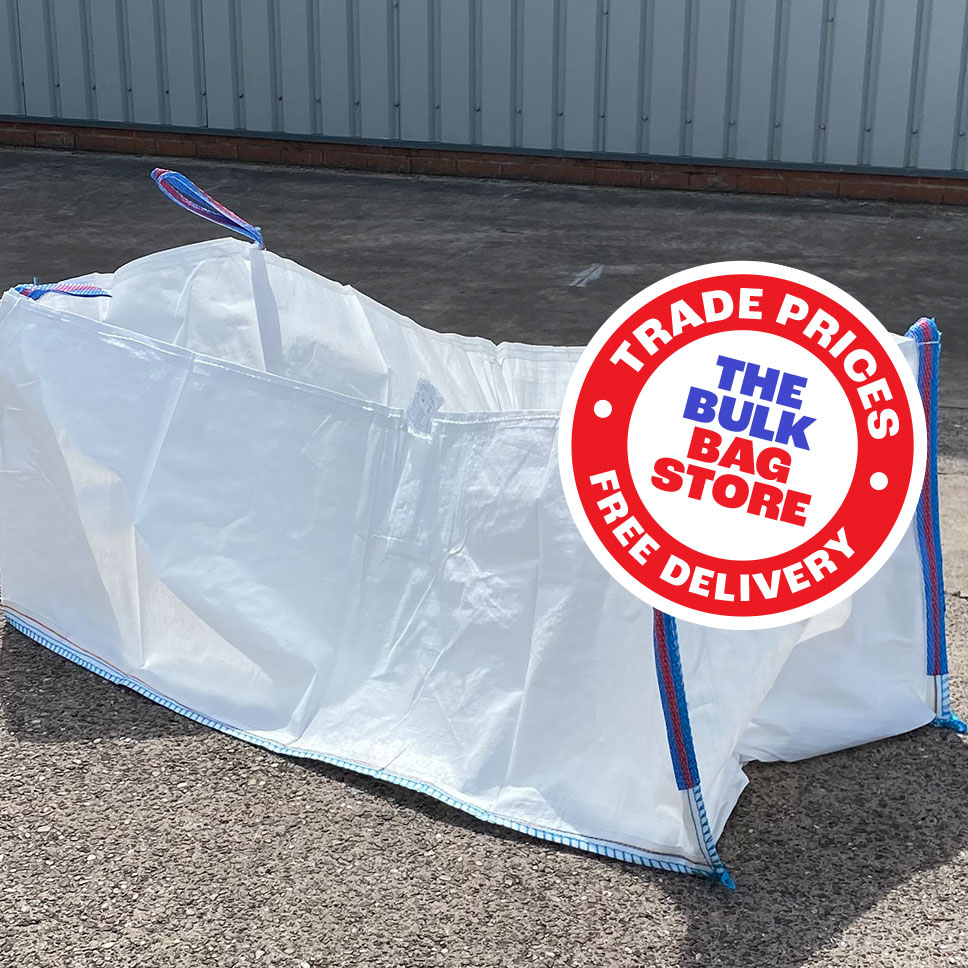
- For smaller loads or compact storage, you’ll probably want Barrow Bags
Why Bag Design Changes Real Capacity
Two bags can have the exact same dimensions but give you completely different results once they’re filled – and that usually comes down to design. Some features help your bag hold its shape, settle material evenly or release its contents without clogging. Others are all about holding bulky loads that need room to expand. Here are some of the design options you’ve got:
- A baffled bag keeps its square shape, so you get predictable volume and stable stacking.
- A duffle top makes loading your irregular materials far easier.
- Spout tops and bottoms guide your flow during filling and discharge – preventing bridging and helping your bag reach its usable capacity.
When to Get Expert Input
If you work with a mix of materials or you’re not sure which bag for your job, getting advice early avoids pricey problems later. Density, moisture content and safe working load can vary a lot more than you might expect!
At The Bulk Bag Store, we match your bag size and spec to your exact materials – whether you’re after heavy duty 1 tonne bags, breathable timber bags, compact barrow bags, or specialist options like WPP sacks.
Want some help? Talk to our team