How to Empty a Bulk Bag
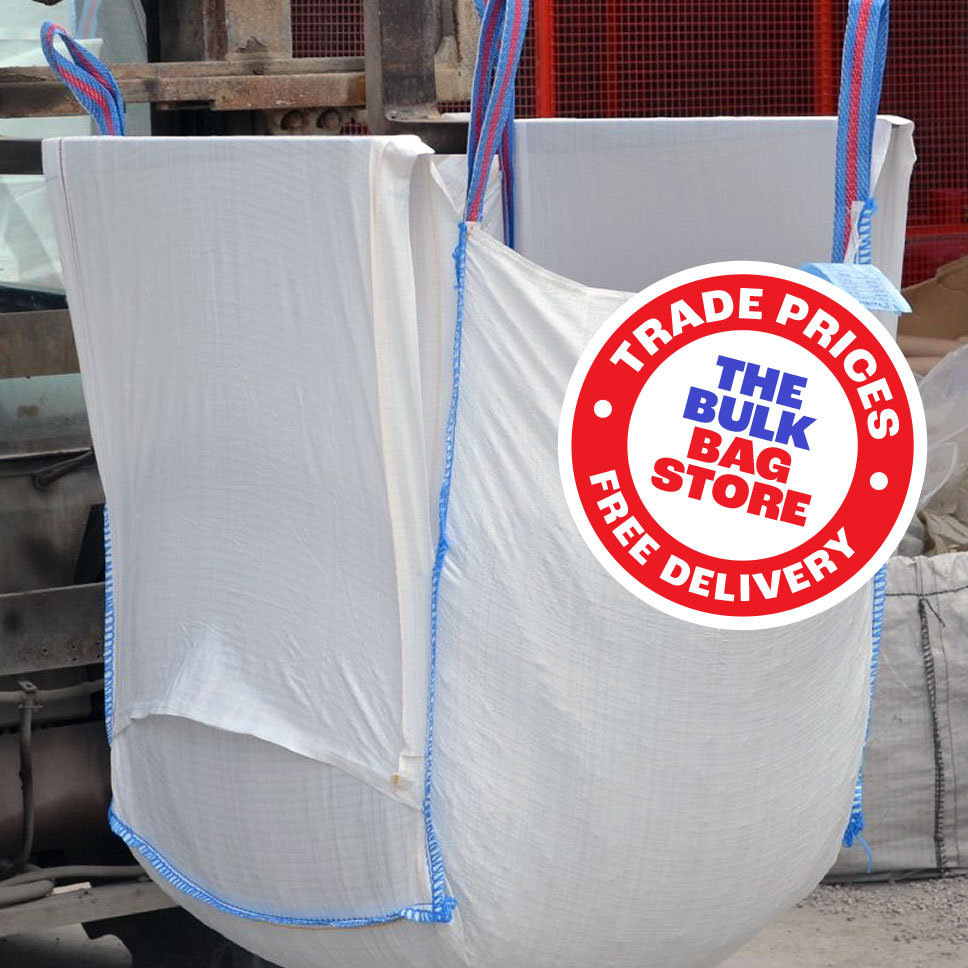
Bulk bags (FIBCs or big bags) are brilliant for moving materials around, but emptying them safely and efficiently takes a bit of know-how.
Whether you’re working with free-flowing powders or compact, stubborn materials, the right technique and equipment will save you time, mess and potential safety problems.
Before You Start
A few minutes’ prep can save you hours of hassle later. Here’s what to check:
Secure your bag. Put it on a stable frame or unloader so it doesn’t shift when you’re discharging it.
Inspect the discharge spout. Look for wear, blockages or tears that might cause leaks or contamination.
Know your material. Your free-flowing powders will act very differently to your sticky, oily, damp or compacted products.
Clear your workspace. Move any obstacles, tidy cables or hoses, and make sure you can get to your discharge zone.
What Equipment Do You Need?
You can empty a bulk bag without any special machinery, but having the right equipment set up gives you way more control. Most sites use a discharge frame so your bag sits securely while you open its spout. If your material has a habit of compacting or settling, then vibration pads, paddles, or pneumatic massagers are great for stopping it bridging inside your bag. If you’re handling fine powders, an enclosed system with dust extraction is well worth it for the cleanliness alone – and for heavier bags remember to use lifting equipment that can safely handle the weight.
Related: How efficient industrial packaging can improve profit margin
Use the Right Technique
There’s no one-size-fits-all way to empty your bag. So make your choice based on what you’re discharging:
| Technique | Best for | How it works |
| Gravity discharge | Free-flowing materials | Open your spout and let gravity do its thing |
| Vibration | Slightly compacted powders | Gentle vibration keeps your material flowing smoothly |
| Continuous tension | Bridging or clumping materials | Pulls your bag fabric taut to break up blockages |
| Pneumatic massage | Stubborn, compacted loads | Air-powered devices break up your compacted material |
Thinking about the technique you’re after, go for the discharge method that fits with your task:
- Vacuum unloading: Low-dust enclosed, and safer for your fine or hazardous powders.
- Bag splitting: Fast and simple for your disposable bags (so long as you’ve got good containment underneath).
- Mechanical emptying: Uses an unloader to manage flow. A great option for your regular, high-volume discharge.
Related: Types of Woven Bags: A Deep Dive Into Woven Bags
Safety First (Always)
Emptying bulk bags is straightforward, but you still need to take care. PPE like gloves, glasses, and masks keeps you protected, especially when you’re working with fine particle dust. Remember never to work under a suspended bag and always use the right lifting equipment for the weight of your load. Noise, dust and movement will of course increase once the flow begins, so keep your area as clear of people as possible.
Related: Working with bulk bags? Tips from our experts
Need Help Getting It Right?
From choosing the best FIBC design to recommending the right equipment for your job, we’re here to make sure everything goes smoothly.