Can You Reuse a Bulk Bag Safely?
Yes – but only if it’s been designed and certified for multiple trips, has only been used for what it’s designed for, and passes all the proper checks (before every new filling cycle).
Most standard builders’ bulk bags are rated 5:1 and marked for single-trip use. So it’s really important that you don’t refill and lift them for a second trip. Multi-trip bags are normally rated 6:1 – make sure you always follow the guidelines when it comes to things like inspection, cleaning and tracking.
The safety factor on the label will tell you what you need to know – so if it’s missing, damaged or unreadable, don’t assume that your bag’s reusable.
Bulk bag reuse at a glance
| Bag condition or rating | Can it be reused under load? | What to do |
| 5:1 single-trip FIBC | No | Use it once for its fill, transport and emptying cycle, then recycle or retire it |
| 6:1 multi-trip FIBC | Potentially | Only reuse in the approved way, with proper inspection |
| Rating or history unknown | No | Don’t refill and lift it (unless you have proof of its spec and history) |
| Damaged, wet, mouldy or contaminated | No | Don’t use again – even if it was originally rated for multiple trips |
| Retired bag used at ground level | Possibly, for low-risk secondary use | Keep it unloaded or lightly loaded, clearly mark it “Do Not Lift” and check for any contamination risks |
What does “single trip” mean?
A single-trip FIBC is designed for one filling and distribution cycle. So you can use it as you like throughout that, but it’s not designed to be used for a second one.
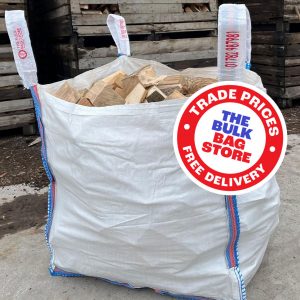
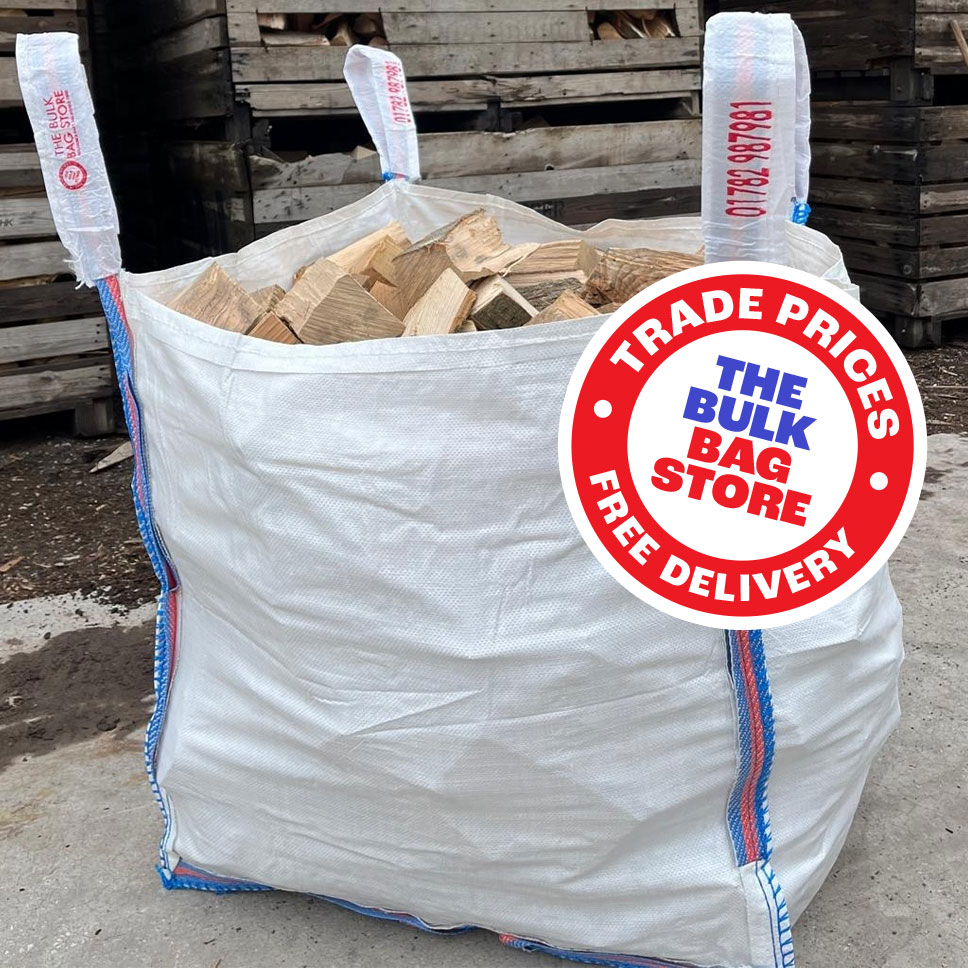
Our one-tonne FIBC bulk bags have a 1,000kg safe working load (SWL) and a 5:1 safety factor, meaning they’re single-trip bags.
The 5:1 is to do with the bag’s testing – it doesn’t mean that a bag with a 1,000kg SWL can carry 5,000kg – or give you extra capacity for another trip. The SWL is still its maximum load.
What is a multi-trip bulk bag?
A multi-trip FIBC is designed for repeated filling, transport and discharge. These bags are normally marked with a 6:1 safety factor and must have their label and traceability throughout.
But when it comes to reusing safely, it’s about more than just buying a stronger bag. Industry guidance recommends a ‘closed-loop system’ – where you use the same bag design for the same product and application. You and your supplier then agree how your bags will be returned, cleaned, inspected, tracked and removed from service.
Your bag’s history affects its safety. So if it’s been used for the same known material and documented properly, you’ll be able to assess it. But if it doesn’t have a readable label or history, you won’t.
ISO 21898:2024 covers the design, testing, marking, selection and safe use of FIBCs for non-dangerous goods. So it’s really important that if you’re reusing your bags, your spec and ways of working follow those current standards and your supplier’s instructions.
What should you check before reusing a multi-trip FIBC?
Always check your bag before filling it, even if everything went smoothly with the last trip.
1. Read the label
Make sure your bag’s marked for multi-trip and check its SWL, safety factor, allowed contents and handling instructions. Make sure you can still read any unique ID or tracking info.
Don’t use it if the label’s missing or too faded to read – its colour, thickness and look can’t tell you whether it’s rated 5:1 or 6:1.
2. Inspect the lifting loops
Check every loop for cuts, broken fibres, thinning, fraying, melted areas, chemical staining and damage where it joins your bag. Even localised damage matters.
Don’t repair a lifting loop with knots, tape, cable ties or your own stitching – it’s really important that repairs and reconditioning are done in an approved way.
3. Examine the fabric and seams
Check all the sides, the base and the top. Don’t use it if you find holes, punctures, split stitching, worn patches, pulled fabric or damage around a spout.
Take extra care when you’re checking bags used for bricks, rubble, metal parts or coarse aggregates. Sharp and abrasive contents can weaken the fabric, even if there’s no obvious tear.
4. Check for moisture and weathering
Dampness, mould and ongoing exposure to sunlight or bad weather are also reasons you should stop and check your bag. You can have UV protection with your polypropylene FIBCs, but that doesn’t mean it’s okay to store them outside indefinitely.
Always store your empty bags indoors, off the ground and away from moisture, direct sunlight, chemicals and pests. If they’re not stored well, they won’t last as long.
5. Confirm the previous contents
Only reuse the bag when you know what it carried before – and you’re sure your new load’s compatible with your bag and any liner. Residue can contaminate – or react with – the product you put in next.
If you’re working with food, pharmaceutical, chemical and hazardous materials, you’ll need to do extra checks. You can’t be sure of hygiene, chemical compatibility or regulatory compliance just by looking.
Does a heavy-duty bag automatically mean reusable?
No. “Heavy duty” is referring to things like thicker fabric, wear protectors or added resistance to abrasion. It doesn’t replace the safety-factor marking.
A heavy-duty bag can still be rated 5:1 for single-trip use. And a bag that feels thinner might have been engineered and tested for a different certified application. So it’s really important that you use the label and spec rather than judging by touch.
If you want repeated use, ask for a custom bulk bag designed as a 6:1 multi-trip FIBC. Tell your supplier about your product, load, filling and discharge method, lifting equipment, route, storage conditions and expected number of turns. Then it can be designed to be exactly what you need.
Choosing between standard and reusable bulk bags
| Option | Intended use | Important to know | Current price | Find out more |
| Standard One-Tonne FIBC | One filling and distribution cycle for soil, sand, rubble and other bulk materials | 1,000kg SWL and 5:1 single-trip rating | From £1.40 ex VAT* | One-Tonne Bulk Bags |
| Heavy-Duty Bulk Bag | Sharper or more abrasive materials needing extra fabric protection | Extra durability doesn’t automatically make it multi-trip | From £3.12 ex VAT* | Heavy-Duty Bulk Bags |
| Custom 6:1 Multi-Trip FIBC | Repeated use in a known, controlled supply chain | Must be specified, inspected and tracked for reuse | Price on request | Custom Bulk Bags |
*Based on our listed prices at the time of writing – they can vary with size, specification and quantity. Check our product page for our current pricing.
Can I repurpose a single-trip bulk bag?
There’s an important difference between reusing your bag as lifting equipment and repurposing it for a low-risk task.
You can use an emptied 5:1 bag at ground level to collect lightweight garden debris or hold your clean packaging before recycling. If you do, keep it out of lifting service and make sure everyone knows. Mark it “Do Not Lift” and don’t rely on the original loops.
Don’t reuse an old bag if you don’t know what its previous contents were or there’s a chance it could expose your team, animals, food or the environment to residue. And never use an old FIBC as fall protection, a lifting sling or for anything else it wasn’t designed for.
As soon as you refill a retired bag with a heavy material and lift it by its loops, you’re using it as an FIBC again. A casual visual check won’t confirm that your single-trip bag is suitable for that second loaded cycle.
Cleaning, tracking and testing reusable bags
You’ll need a proper reuse programme that confirms who’s responsible for each stage. Your cleaning must remove residue and foreign material, and your liners should be replaced as soon as they’re supposed to be. Your critical labels, ties or closures might also need professional reconditioning.
Every one of your bags or batches should be traceable to its original spec, previous contents and number of uses. Your programme should also include regular top-lift testing – you’ll agree how often with your manufacturer.
So while a 6:1 label is definitely necessary, it doesn’t cover everything. The rating confirms the bag was designed for multi-trip use – but it’s your inspection, traceability and process control that will tell you if your bag is up to its next trip.
Reuse or recycle?
Reusing is definitely valuable when it’s planned into your bag and supply chain from the start. But if your bag’s 5:1, damaged, contaminated or no longer traceable, recycling is usually your better bet.
You can recycle your woven polypropylene bulk bags when they’re empty and prepared the way your recycler needs. Our guide to recycling your packaging tells you how bags are sorted and baled before they’re collected by your recycling centre.
And it’s absolutely vital that you never compromise your lifting safety to reduce your waste. Specifying your 6:1 multi-trip bag for a repeatable closed-loop route is way more sustainable than repeatedly using a single-trip bag in a way it wasn’t designed for.
Ask us about reusable FIBCs
If you need a bag for repeated journeys, let us know. We can help you find the right safety factor, safe working load, fabric, liner, filling and discharge design, and lifting arrangement.
If you’re looking for standard one-way distribution, try our full bulk bag range. Want a controlled multi-trip system? Ask us about a custom 6:1 FIBC and how to keep it safe.