How to Manage Waste on a Self-Build Project
Waste management is one of the most overlooked and costly parts of a self-build project. Without a clear plan, materials quickly pile up, access becomes restricted—especially without proper bulk bag waste solutions
From excess materials and packaging to rubble and soil, self-build projects generate large volumes of waste. Without a clear plan, this can lead to:
- Unnecessary costs
- Site hazards
- Delays and compliance issues
In the UK, construction and demolition account for a significant proportion of total waste, making effective management essential for both environmental and practical reasons.
How to Manage Waste on a Self-Build Project?
To manage waste effectively on a self-build project:
- Plan waste handling before work begins
- Reduce waste by ordering accurate quantities
- Separate materials (wood, rubble, packaging)
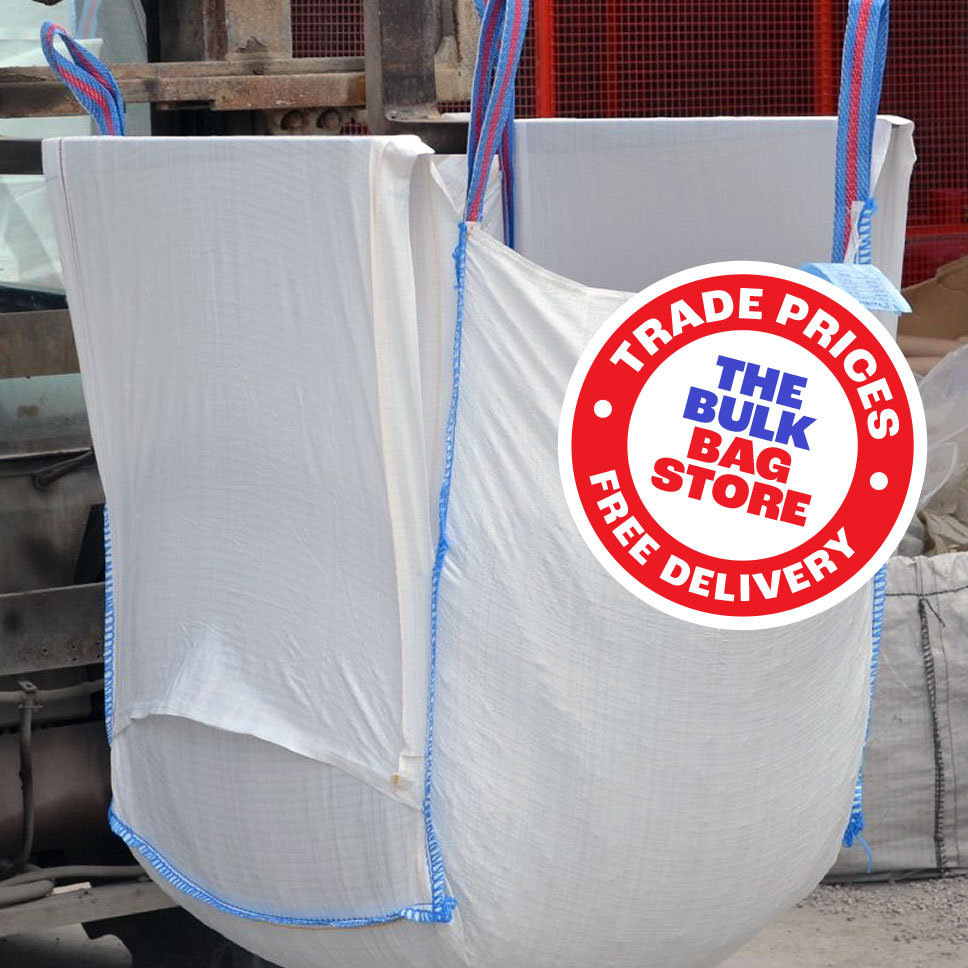
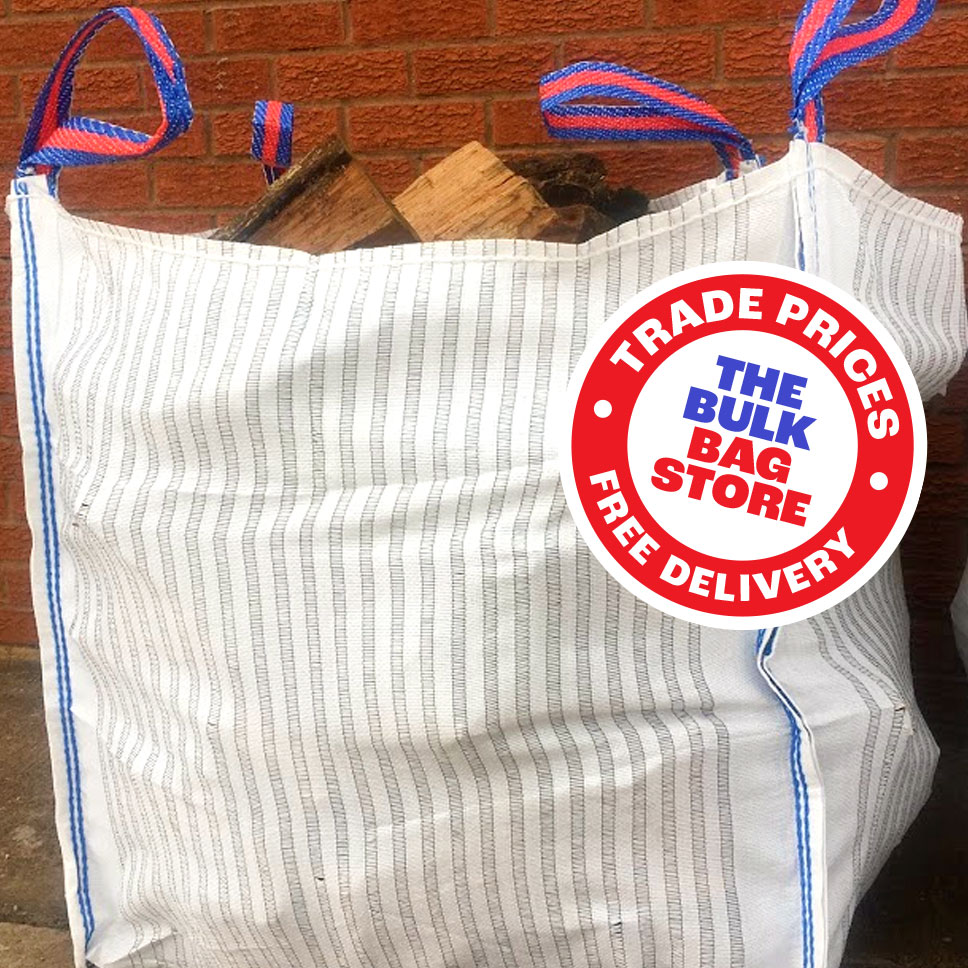
- Use bulk bags or skip bags for controlled storage
- Reuse or recycle materials wherever possible
- Use licensed waste carriers for disposal
A simple, structured approach will reduce costs, improve site safety and keep your build running smoothly.
1. Plan Waste Management Before You Start
The biggest mistake self-builders make is treating waste as an afterthought.
A basic waste plan should include:
- Expected waste types (soil, rubble, timber, packaging)
- Estimated volumes
- Storage method (bulk bags, skips, etc.)
- Disposal or recycling routes
Even on small builds, planning ahead improves efficiency and prevents site congestion. A structured approach also helps control costs and ensures compliance with UK waste regulations.
2. Reduce Waste at Source
The most effective way to manage waste is to create less of it in the first place. Over-ordering materials, poor storage and damage on-site are some of the biggest contributors to unnecessary waste.
Ordering accurately, using pre-cut materials where possible and protecting materials from weather or handling damage can significantly reduce the amount of waste generated during a build.
3. Separate and Organise Waste On-Site
Keeping waste organised makes a noticeable difference to both cost and efficiency. When materials are mixed together, they are harder to recycle and often more expensive to dispose of.
Separating waste into categories such as timber, metal, rubble and general waste allows for easier handling and better recycling outcomes. Setting up clear waste areas on site also helps maintain a safer, more efficient working environment.
4. Use Bulk Bags for Flexible Waste Storage
For self-builders, bulk bags (skip bags) are one of the most practical waste solutions.
They are ideal for:
- Rubble and hardcore.
- Soil and aggregates.
- Mixed light construction waste.
5. Reuse and Recycle Materials Where Possible
Not all waste needs to leave the site. Many materials can be reused, helping to reduce both costs and environmental impact.
Concrete can be crushed and reused as a sub-base, timber offcuts can be used for temporary works, and soil can often be repurposed for landscaping.
Taking a more resourceful approach to materials can significantly reduce the volume of waste that needs to be removed.
6. Choose the Right Waste Removal Method
Depending on your project size, you have several options:
- Bulk bags and skip bags → best for small to medium volumes
- Skips → suitable for larger, continuous waste output
- Grab lorries → ideal for heavy waste like soil and rubble
- Licensed waste carriers → essential for compliance
Always ensure waste is handled by authorised carriers and documented correctly to meet your legal duty of care.
7. Keep the Site Safe and Efficient
Effective waste management has a direct impact on site safety. Piles of unmanaged waste can create trip hazards, restrict movement and slow down progress.
Keeping the site clean and organised makes it easier to work efficiently and reduces the risk of accidents. A well-managed site is not only safer, but also more productive.
Final Thoughts
Managing waste on a self-build project doesn’t need to be complicated, but it does need to be considered from the start.
By reducing waste at source, keeping materials organised and using flexible solutions like bulk bags, you can maintain a safer, more efficient site and avoid unnecessary costs.
For many self-builders, bulk bags offer the simplest and most practical way to manage waste, especially where space is limited or waste is generated in stages.
Looking for the right bulk bag for your job?
From heavy-duty construction bags to garden waste solutions and food-grade options – we’ve got you covered.
Talk to our expert team